
Why Florida Home Insurance Carriers Evaluate Plumbing Types Before Approval
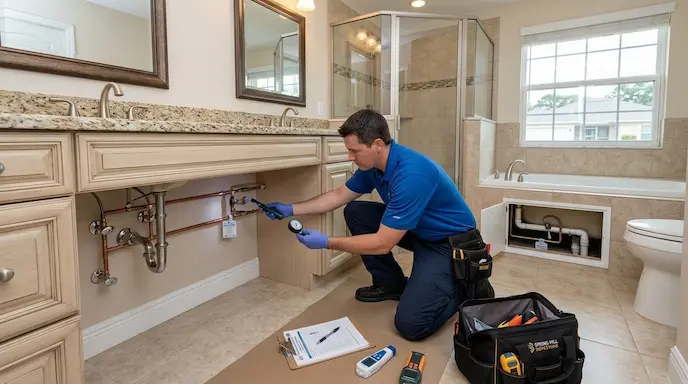
In Florida, the type of plumbing in your home can significantly affect your homeowners insurance eligibility. Insurance companies evaluate plumbing materials, system age, condition, and repair history because certain pipes have been associated with leaks, corrosion, and costly water damage claims. Understanding Florida plumbing requirements for home insurance can help homeowners prepare for inspections, identify potential underwriting concerns, and compare available insurance options.
Polybutylene piping is one of the plumbing materials frequently flagged during Florida homeowners insurance underwriting. Commonly installed in residential properties from the late 1970s through the mid-1990s, polybutylene has a documented history of deterioration and leakage concerns. Failures may occur at fittings or within the piping system, sometimes without obvious warning. Many Florida insurance companies restrict or decline homes with active polybutylene supply piping, while others may consider additional documentation or specific underwriting circumstances. A complete replacement with an acceptable plumbing material may improve insurance eligibility, but carrier requirements vary.
Galvanized steel plumbing is another concern, particularly in older Florida homes. Over time, galvanized pipes can corrode internally, restricting water flow and increasing the likelihood of leaks or pipe failure. Insurers may consider the age, condition, and extent of galvanized piping when evaluating a property. Some carriers may accept a functioning system with satisfactory inspection findings, while others restrict older galvanized supply lines or require replacement. Visible condition alone may not reveal internal corrosion.
Copper plumbing is generally an established and commonly accepted material for residential water supply systems. However, copper pipes are not immune to deterioration. Older systems can develop pinhole leaks, corrosion, or problems associated with installation conditions and water chemistry. During an inspection, visible corrosion, staining, active leaks, previous repairs, and the overall condition of accessible plumbing may influence underwriting decisions. A home with copper plumbing can still face insurance concerns if the system shows evidence of ongoing leakage or deterioration.
CPVC and PEX are widely used residential plumbing materials, and many Florida homeowners insurance companies accept properly installed systems in satisfactory condition. CPVC is a rigid plastic piping material, while PEX is a flexible cross-linked polyethylene material. Both resist certain corrosion problems associated with metallic pipes, but neither is completely free from potential failures. CPVC may become brittle or develop problems involving fittings, installation, or environmental conditions. PEX systems can also experience fitting failures, installation defects, or other material-specific issues. Insurers evaluate the actual plumbing condition and applicable underwriting guidelines rather than automatically approving every home with CPVC or PEX.
During a Florida four-point inspection, the plumbing portion generally documents the water supply piping material, visible system condition, evidence of leaks, plumbing fixtures, and information about the water heater. Inspectors may also identify concerning materials, prior repairs, or observable deficiencies. The precise inspection requirements and documentation can vary depending on the form and insurance company. A four-point inspection primarily evaluates accessible and observable conditions; it is not a guarantee that concealed piping is free of defects. For additional information, see my guide to the Florida 4-point plumbing inspection.
Older plumbing does not automatically make a Florida home uninsurable. Insurance eligibility depends on the specific pipe material, age, condition, inspection findings, repair history, and individual carrier requirements. However, active leaks, unresolved water damage, significant corrosion, or plumbing materials restricted by a particular insurer can create underwriting problems. Some homes may qualify with additional documentation, while others may require repairs or partial or complete repiping before coverage becomes available.
Homeowners considering plumbing replacement should retain permits when applicable, licensed contractor invoices, photographs, and documentation identifying the materials installed. These records may help establish that an older or restricted system has been updated. A completed repipe does not automatically guarantee insurance approval or a lower premium, but it can help address plumbing-related underwriting concerns and reduce certain water damage risks.
As an independent Florida insurance agent, I help homeowners understand which plumbing materials may create insurance eligibility issues and what documentation insurance companies may request. Whether your home has copper, galvanized steel, polybutylene, CPVC, or PEX plumbing, the important consideration is how the actual system meets the underwriting requirements of available carriers.
If you are purchasing an older Florida home, preparing for a four-point inspection, or having difficulty obtaining homeowners insurance because of plumbing concerns, you can request a quote and review available coverage options.
Get Your Florida Home Insurance Quote
Insurance underwriting guidelines, inspection requirements, and carrier eligibility standards can change. Coverage availability and acceptance depend on the insurer, individual property conditions, and applicable policy requirements.

