
Insurance Difference Between a Hip and Gable Roof
You may have had conversations with insurance agents who were talking about and describing roof shapes—specifically hip and gable roofs. You might have even experienced a significant rate increase after binding coverage with a homeowners insurance company. How could this have happened? If the rate increase was around $400, it may have been due to a misquote by the agent who thought your roof was a hip when in fact it’s a gable. So, what’s the insurance difference between hip and gable roof? We’ll break it down in this article.
For a full statewide breakdown of roof geometry, wind mitigation discounts, and rating factors, you can read our updated guide here: Florida Home Insurance Rating Factors.
Updated for 2026 – Roof geometry rating guidelines and wind mitigation information remain current.
The Gable Roof
Before we delve deeper, let’s take a look at what a gable roof looks like. A gable roof is illustrated in the following image to your left.

As you can see, a gable creates an A or V formation. Two roof angles slope down from the roof peak or apex, creating a triangular look. This type of roof can be weak in severe weather, especially when high winds are present. The gable roof has lower wind resistance, making it easier for the entire roof to lift under pressure. Insurance carriers rate premiums on many factors, and roof geometry is one of the most impactful.
Some insurance companies allow for a small percentage of gable (generally up to 10%) while still granting a hip rating if the predominant roof shape is hip. This is where quoting insurance can get tricky. It’s best to pay for a wind mitigation inspection if you can’t determine whether you are entitled to a hip or gable rating. A wind mitigation inspector will measure the roof line and indicate the correct geometry on the report. This inspection can also unlock additional discounts you may not otherwise receive.
The Hip Roof
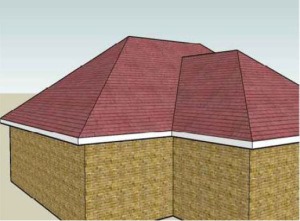
A hip roof slopes downward on all sides in a “pyramid” shape with no gables present. This roof shape is more common with concrete block homes because all walls are built to the same height. Wood frame homes tend to have more gables. Hip roofs require more complex trusses or rafters, but they add significant wind resistance to the home’s overall integrity. They can withstand very high wind speeds, sometimes over 120 mph.
Newer homes (2002 and later) are built to modern code, and many wind mitigation discounts are already included automatically. Depending on other factors, there can be anywhere between a $100–$800 insurance difference between hip and gable roof.
Correct Roof Rating Matters
Most insurance companies allow an agent to apply a hip rating when the roof shape is clearly hip. Some carriers require a wind mitigation inspection before granting the discount, while others allow the rating based on roof geometry alone. If you’re unsure whether your home is being rated correctly, we can measure your roof line using satellite tools and wind mitigation guidelines before sending quotes. Your current policy may be coded as gable when it actually qualifies for a hip rating.
If you have questions or want your roof geometry checked before quoting, you can call 352‑200‑2066 or fill out the form below.